Paul Alan Cox, Ph.D.
Ethnobotanist, drug discoverer, and the scientist who followed a medical mystery on Guam to a neurotoxin, a possible new drug, and a new approach to Alzheimer’s.
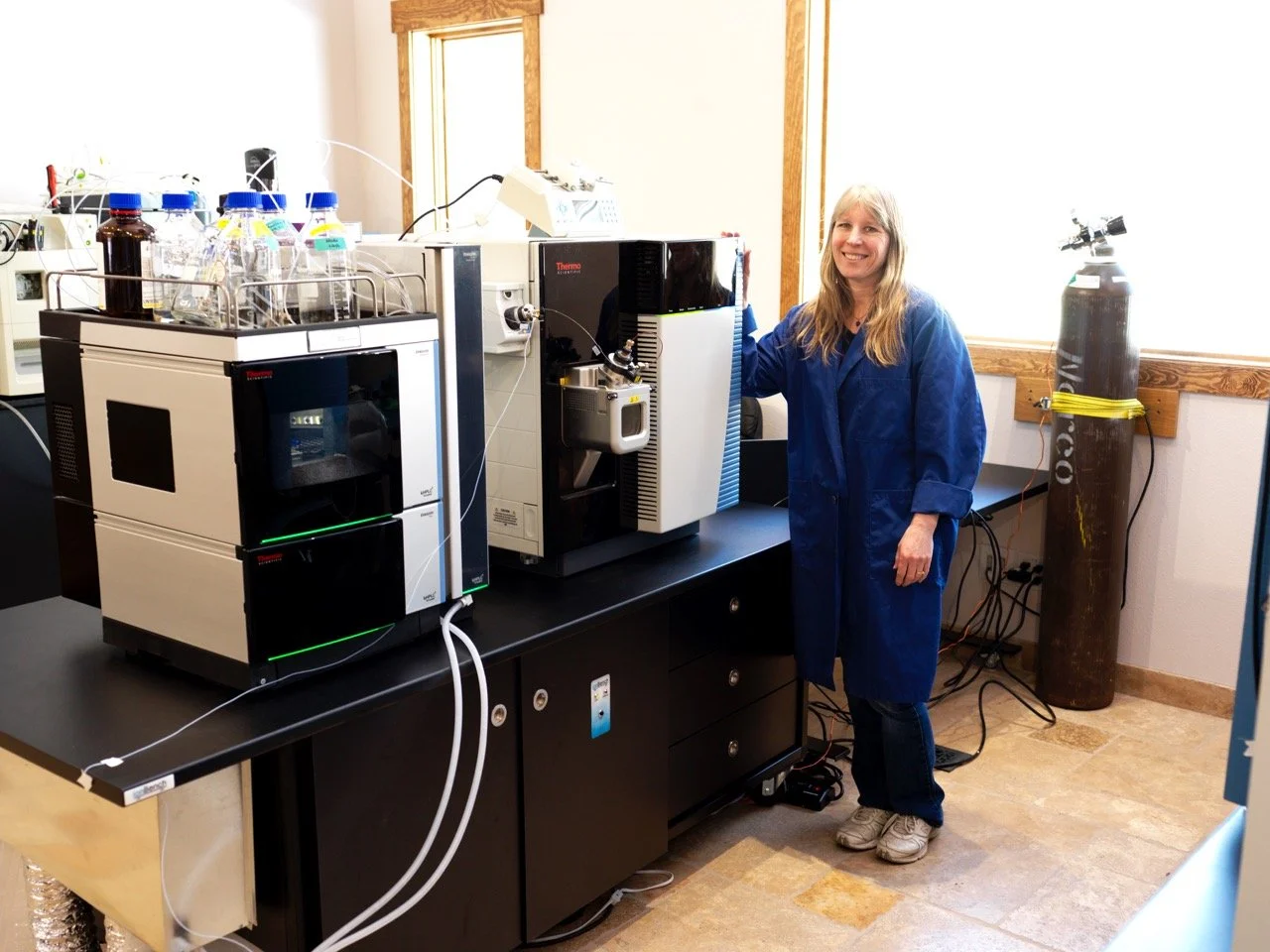
Dr. Paul Alan Cox leads the non-profit Brain Chemistry Labs in Jackson Hole, Wyoming, where his work in ethnobotany and drug discovery has shaped every line of research the organization pursues. His path began with traditional healers: In Samoa, two healers taught him to treat hepatitis with the bark of the mamala tree, which led to the antiviral Prostratin and to landmark benefit-sharing agreements for the Samoan people.
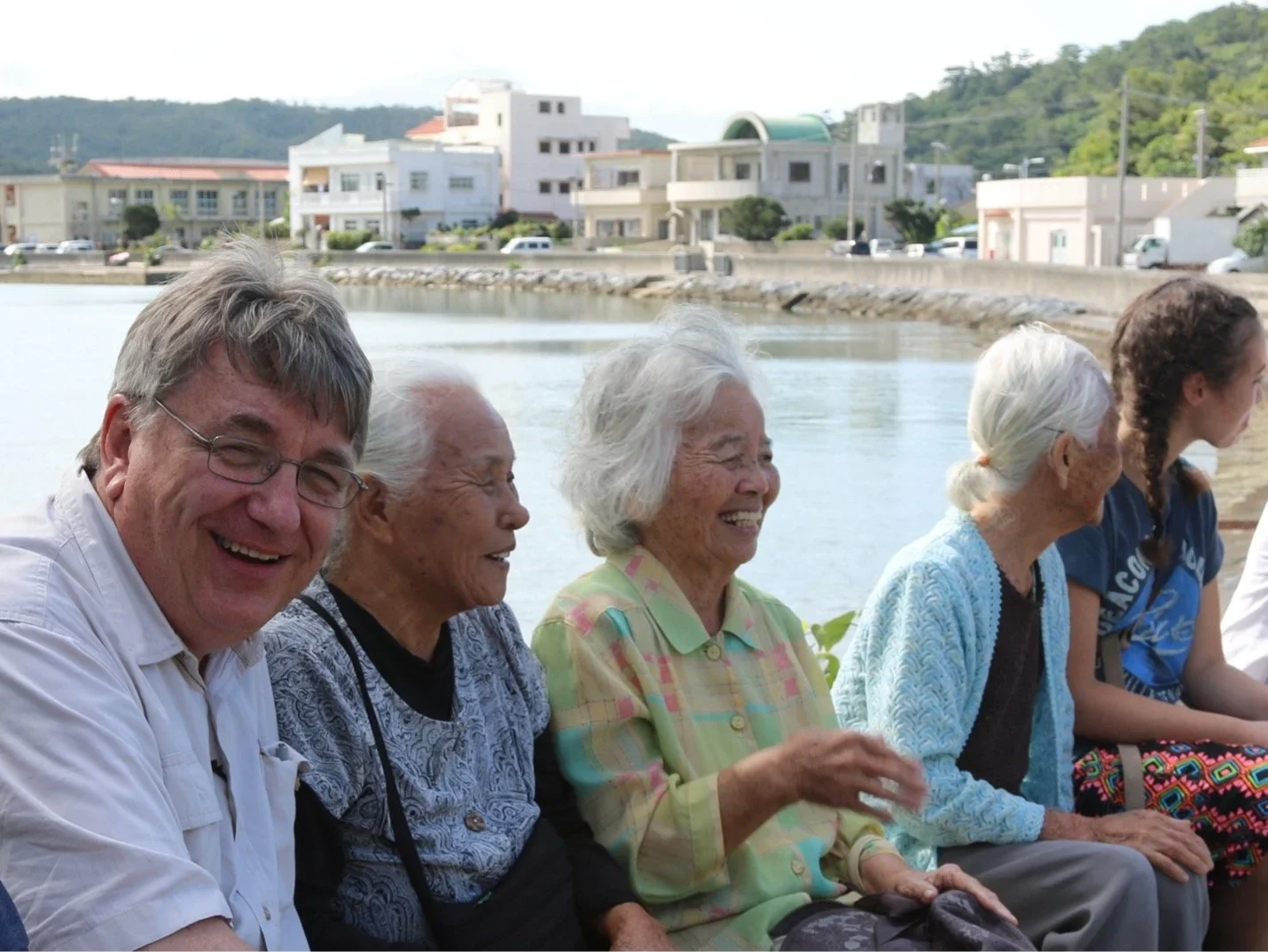
On Guam, he and his collaborators traced an ALS-like disease among the Chamorro people to BMAA, a neurotoxin produced by cyanobacteria in cycad roots. That discovery led to L-serine as a possible protective treatment, now in FDA-approved clinical trials, and to the finding that BMAA can trigger the brain changes seen in Alzheimer’s disease. In Ogimi, Okinawa, where neurodegenerative diseases are unknown among the oldest residents, his team learned that their traditional diet was rich in L-serine, which they believed to be neuroprotective.
A native of Utah and Wyoming, Dr. Cox graduated in Botany and Philosophy from Brigham Young University. As a Fulbright Fellow, he read for his M.Sc. in Ecology at the University of Wales. He later received his A.M. and Ph.D. in Biology from Harvard University where he was a Danforth Fellow and a National Science Foundation Fellow. At Harvard, he was twice awarded the Bowdoin Prize in Literature, an honor he shares with Ralph Waldo Emerson. He was later awarded a D.Sc. Honoris Causa by the University of Guelph.
After serving as Miller Fellow at the University of California, Berkeley, Dr. Cox was named a Presidential Young Investigator by Ronald Reagan, and also named as a Melbourne University Research Fellow. He served as Professor and later Dean at Brigham Young University before being appointed as the King Carl XVI Gustaf Professor of Environmental Biology in Uppsala in honor of the Swedish King’s 50th birthday. Dr. Cox was awarded the E. K. Janaki Ammal Medal from India and is a foreign member of the Swedish Royal Academy of Agriculture and Forestry in Stockholm, and is a Fellow of the Royal Society of Medicine and a Fellow of the Linnean Society in London. He was awarded the Eloise Payne Luquer Medal and named an Honorary Member by the Garden Club of America. He has published hundreds of scientific papers and numerous books.
In 1997, TIME magazine named Cox one of 11 “Heroes of Medicine” for his work in ethnobotanical drug discovery. He also was awarded the Goldman Environmental Prize for his efforts in preserving Samoan rain forests and later shared the Rachel Carson Award with Senator Tom Harkin. He was elected President for the Society of Economic Botany and President of the International Society for Ethnopharmacology. He served for seven years as Director of the National Tropical Botanical Gardens in Hawaii and Florida.
Cox founded and is chairman of Seacology, an environmental organization headquartered in Berkeley, California, which has preserved 672,000 terrestrial acres and 925,000 marine acres of island ecosystems throughout the world. He also is Chairman of the Advisory Committee for the National Park of American Samoa, a park that he was instrumental in establishing. Dr. Cox has served on the boards of the AIDS Research Alliance, the Center for Plant Conservation, and Hawaii Reserves.
Currently a resident of Jackson Hole, Wyoming, his ethnobotanical research is focused on discovering new therapies for neurodegenerative diseases and other serious brain diseases.
“As a result of this work, Cox and a chief who helped him shared one of the six prestigious Goldman Environmental Prizes for 1997.”
- RoleExecutive Director
- FieldEthnobotany, drug discovery
- Ph.D.Biology, Harvard University
- PrizeGoldman Environmental Prize
- TIMEHeroes of Medicine, 1997
- BoardDirector
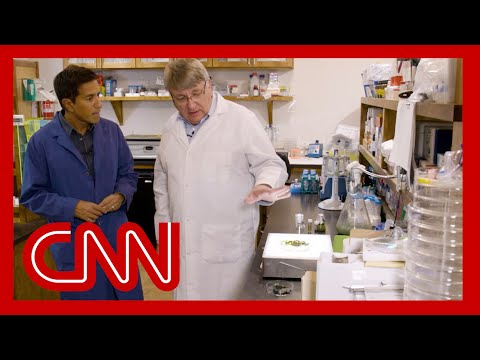
How a Medical Mystery in Guam Led to a New Approach to Alzheimer's Disease
CNN, Dr. Sanjay Gupta

Secrets to Alzheimer's, ALS and Parkinson's Disease
TEDxJacksonHole, Dr. Paul Alan Cox

Developing a Robust Diagnostic Test for ALS
Everything ALS, Dr. Sandra Banack

Outlaw Beat: Jackson Hole's Brainiac
Explore Big Sky
Our scientists are constrained by research funding, not capacity.
As a not-for-profit organization, we care only for patients, not profits.
Our innovative approach is working, but we need your support. Based on our 2025 audit, 81% of all gifts go to medical research.