Mission
Brain Chemistry Labs seeks to improve patient outcomes by discovering innovative solutions to prevent, diagnose, and treat neurodegenerative diseases.
Vision
Brain Chemistry Labs strives toward a world free of debilitating brain diseases.
A different model for drug discovery
- 50
- scientists in the consortium
“The collaboration with an international consortium of multi-disciplinary scientists toward major achievements and advances, despite a modest budget, is inspiring.”
Brain Chemistry Labs was patterned after the Miller Research Institute at UC Berkeley and the Institute for Advanced Study at Princeton: Charitable organizations focused on high-level research with maximum scientific flexibility and a minimum of bureaucracy. Brain Chemistry Labs had an additional charge: to rapidly discover new cures for serious illnesses.
Rather than investing in brick and mortar and building a large, bureaucratic organization, we created a virtual model. World leaders in the relevant disciplines are invited to perform key components of our research. The collaboration is unusual and efficient: research advances unencumbered by bureaucracy, combining novel discovery, exceptional people and a singular mission.
As a nonprofit unconstrained by pharmaceutical priorities, we can pursue research others cannot. Our discovery of toxin-induced Alzheimer’s in Florida dolphins is one example. Our search for new cures from plants, from the cycads of Guam to the violets used against glioblastoma, is another.
An international consortium
Key to innovation at Brain Chemistry Labs is our consortium of 50 scientists, recruited from universities around the world. They are leaders in ethnobotany, neurology, physiology, epidemiology, oceanography, neuroanatomy, molecular biology, inorganic chemistry, physics, microbiology, ecology and synthetic chemistry.
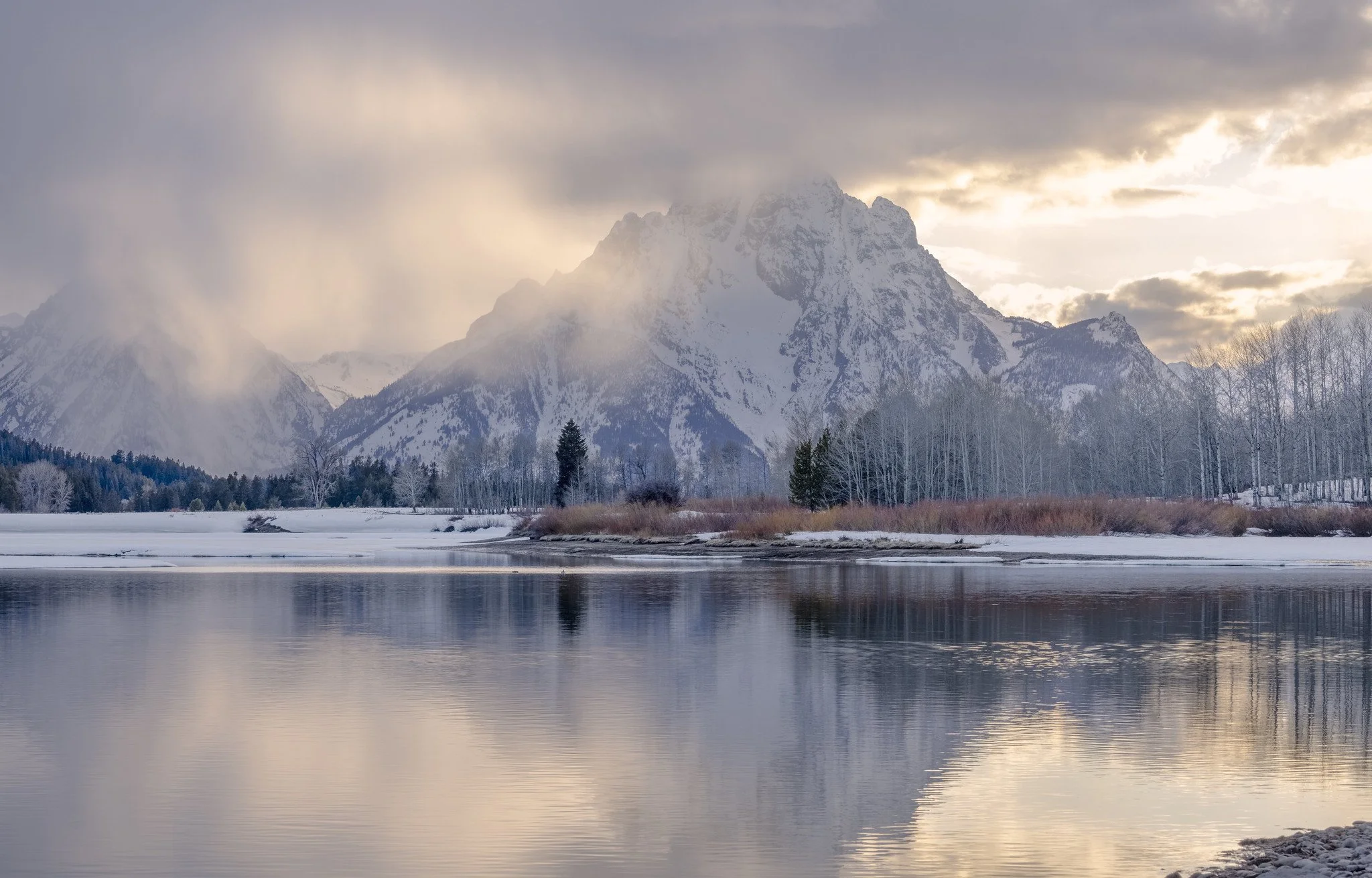
A log building at 43.47° N, 110.76° W, elevation 6,237 ft.
Photo: Dr. Rachael A. Dunlop
From Guam to a blood test.
2004 It began with a question on Guam.
Why did one community suffer so much neurological disease? The answer was a toxin in the roots of this tree.
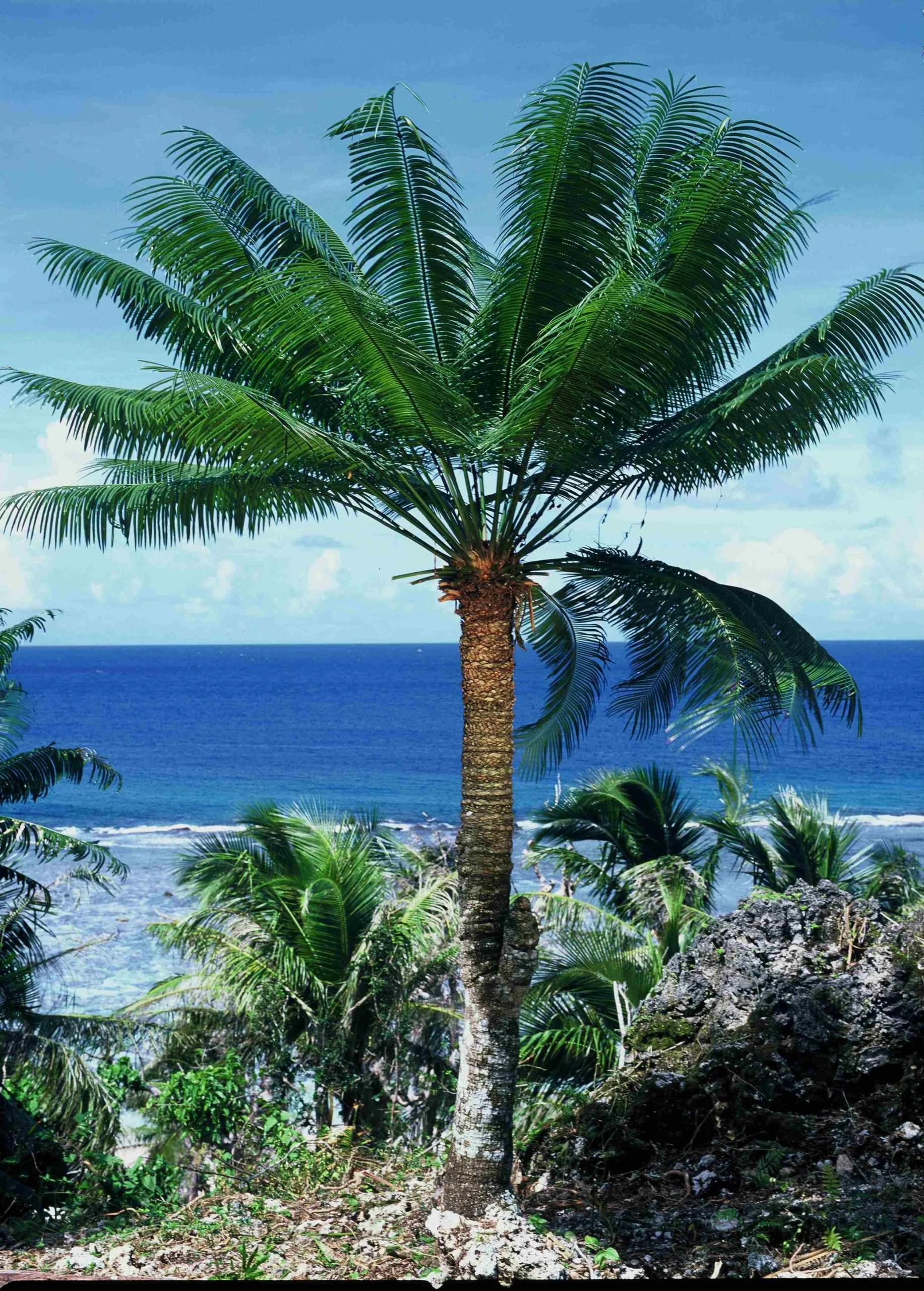
Fig 1. Cycas micronesica in habitat, Guam. 2006 The laboratory opens in Jackson, Wyoming.
Patterned after the Miller Institute and the Institute for Advanced Study: a small lab, a global consortium, no bureaucracy.
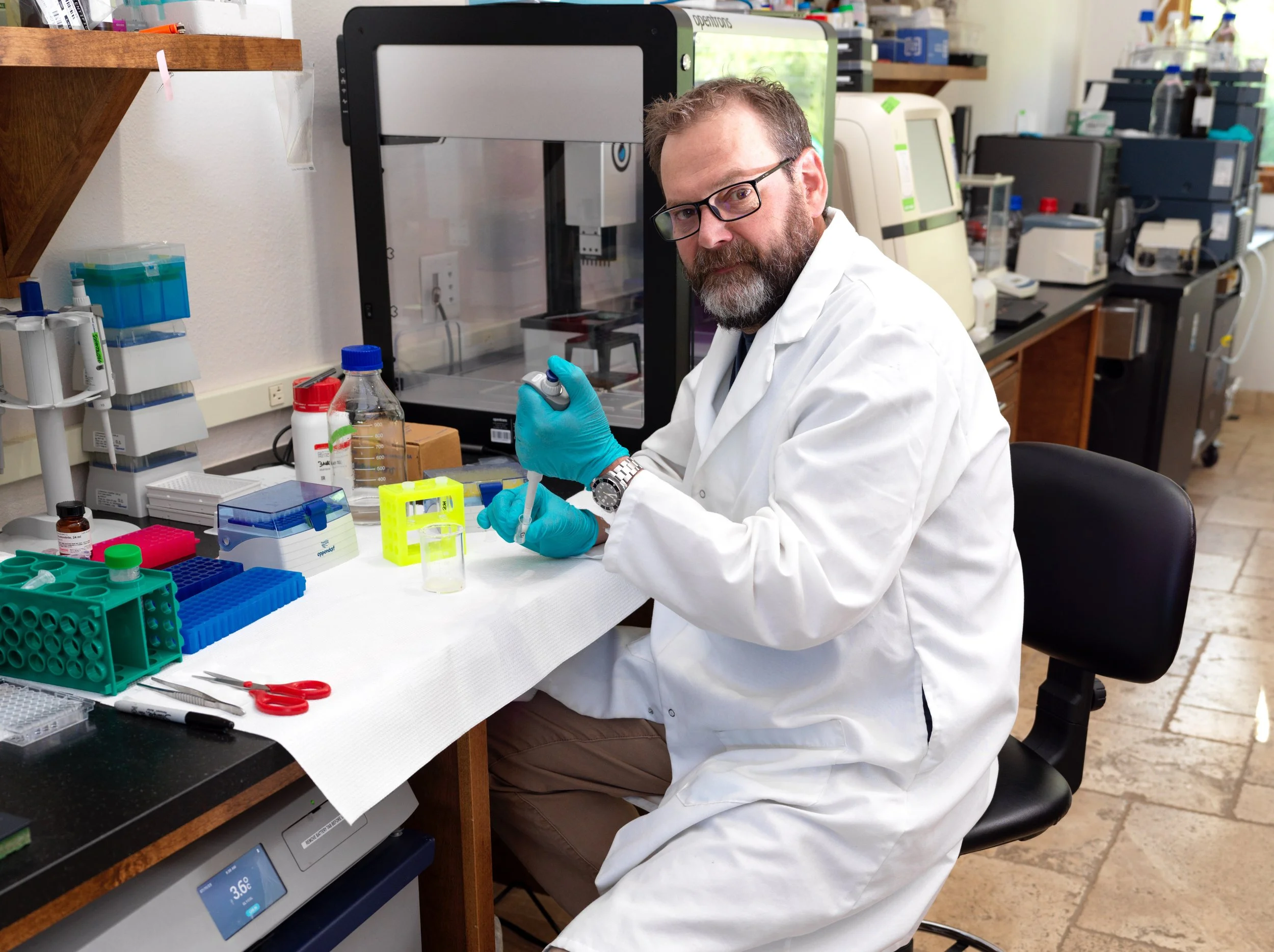
Fig 2. Dr. James Metcalf at the bench.
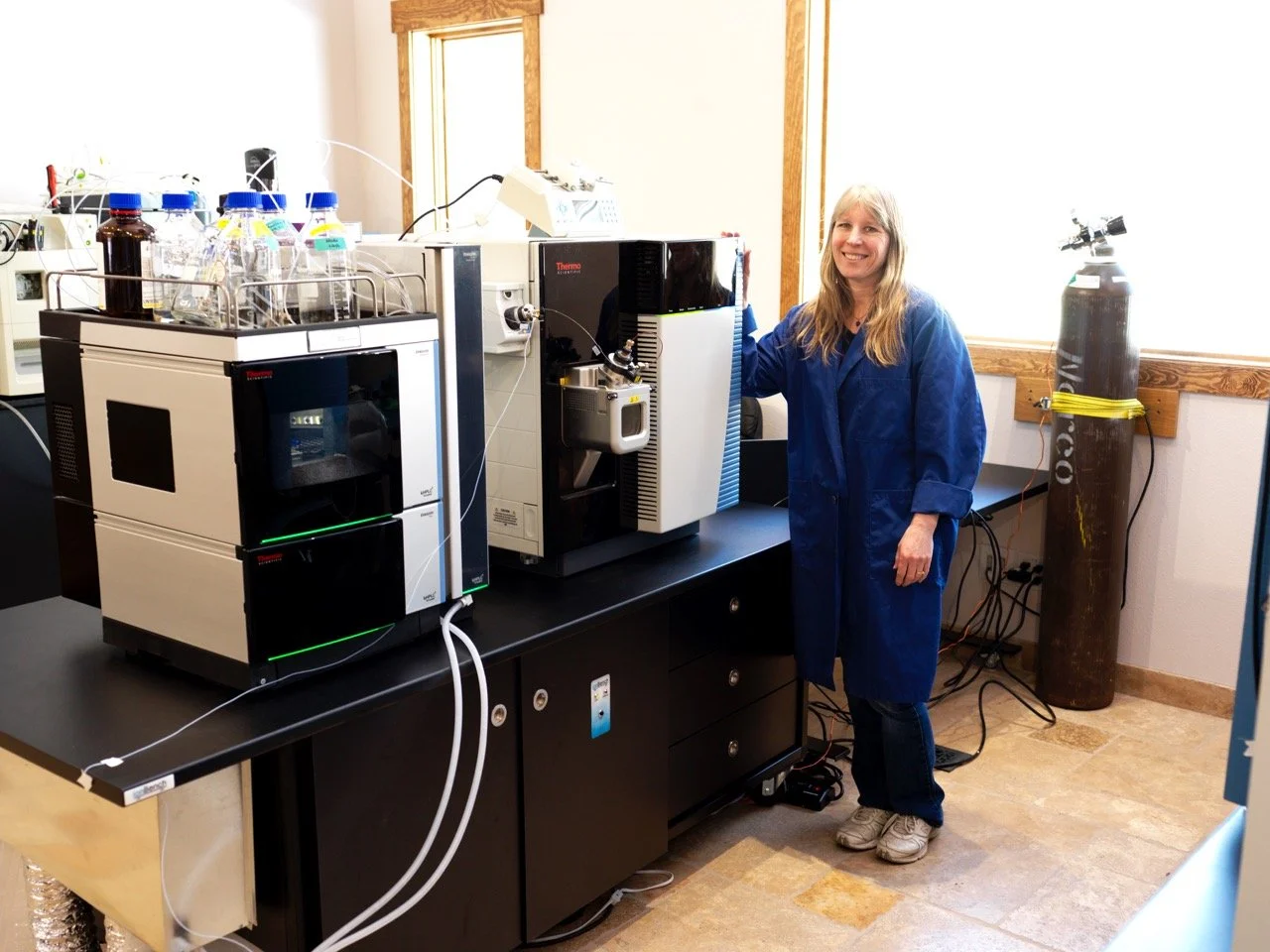
Fig 3. Triple quadrupole mass spectrometer.
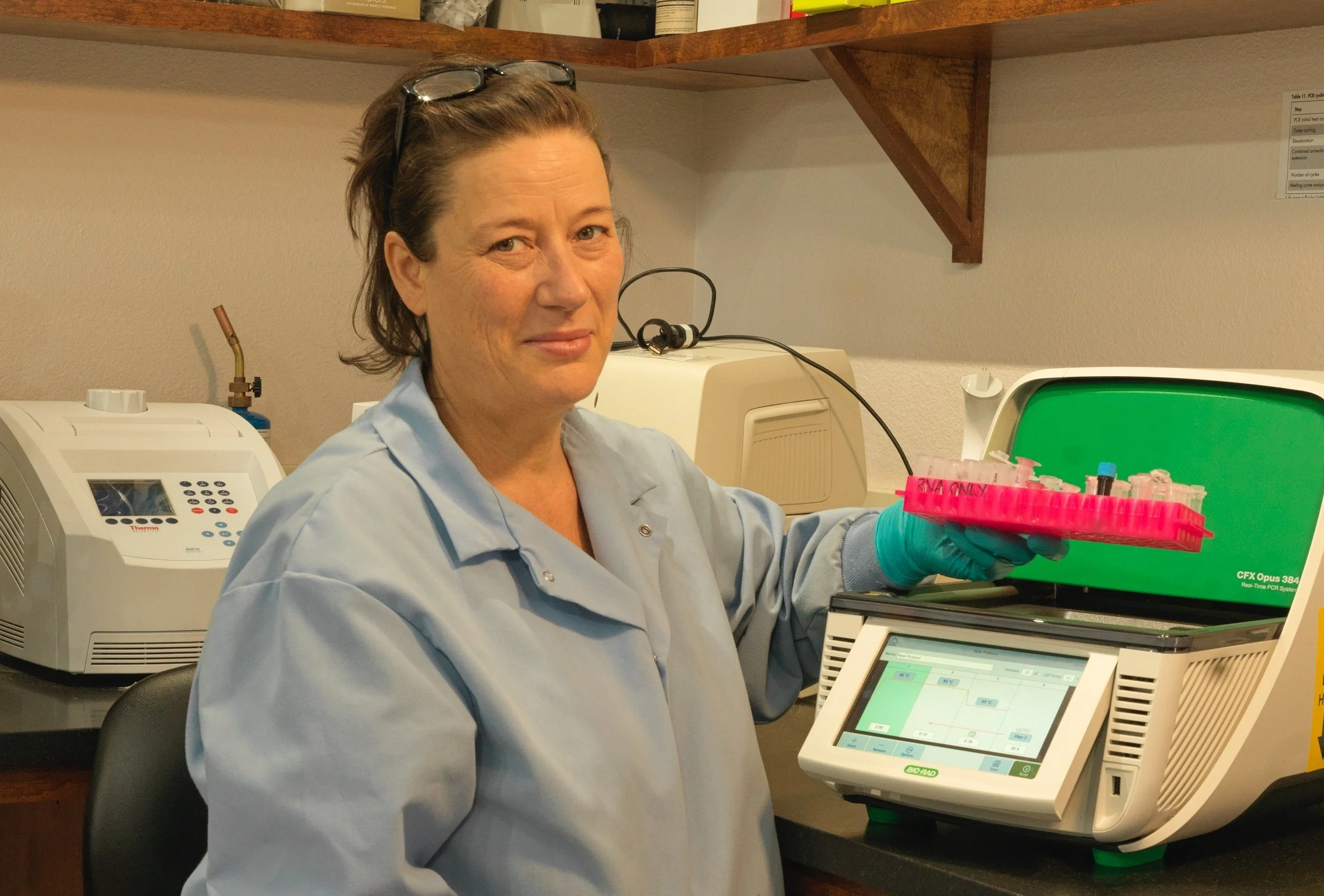
Fig 4. Dr. Rachael Dunlop at qPCR.
2013 Read the PLOS One paperL-serine blocks BMAA-mediated toxicity in cells in a dish.
The first clues that L-serine might be protective. Published in PLOS One.
2017 Toxic Puzzle.
Toxic Puzzle, narrated by Harrison Ford, follows our scientists from Jackson Hole to Guam and to Ogimi, Japan, the “Village of Longevity.”
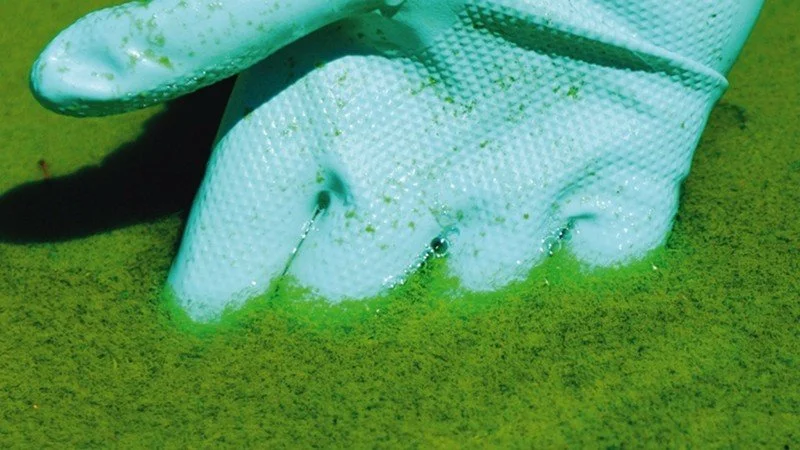
Fig 5. Toxic Puzzle, directed by Bo Landin. 2020 L-serine blocks BMAA-induced ALS neuropathology.
Published in Oxford's Journal of Neuropathology and Experimental Neurology. A possible treatment, from the same mechanism as the cause.
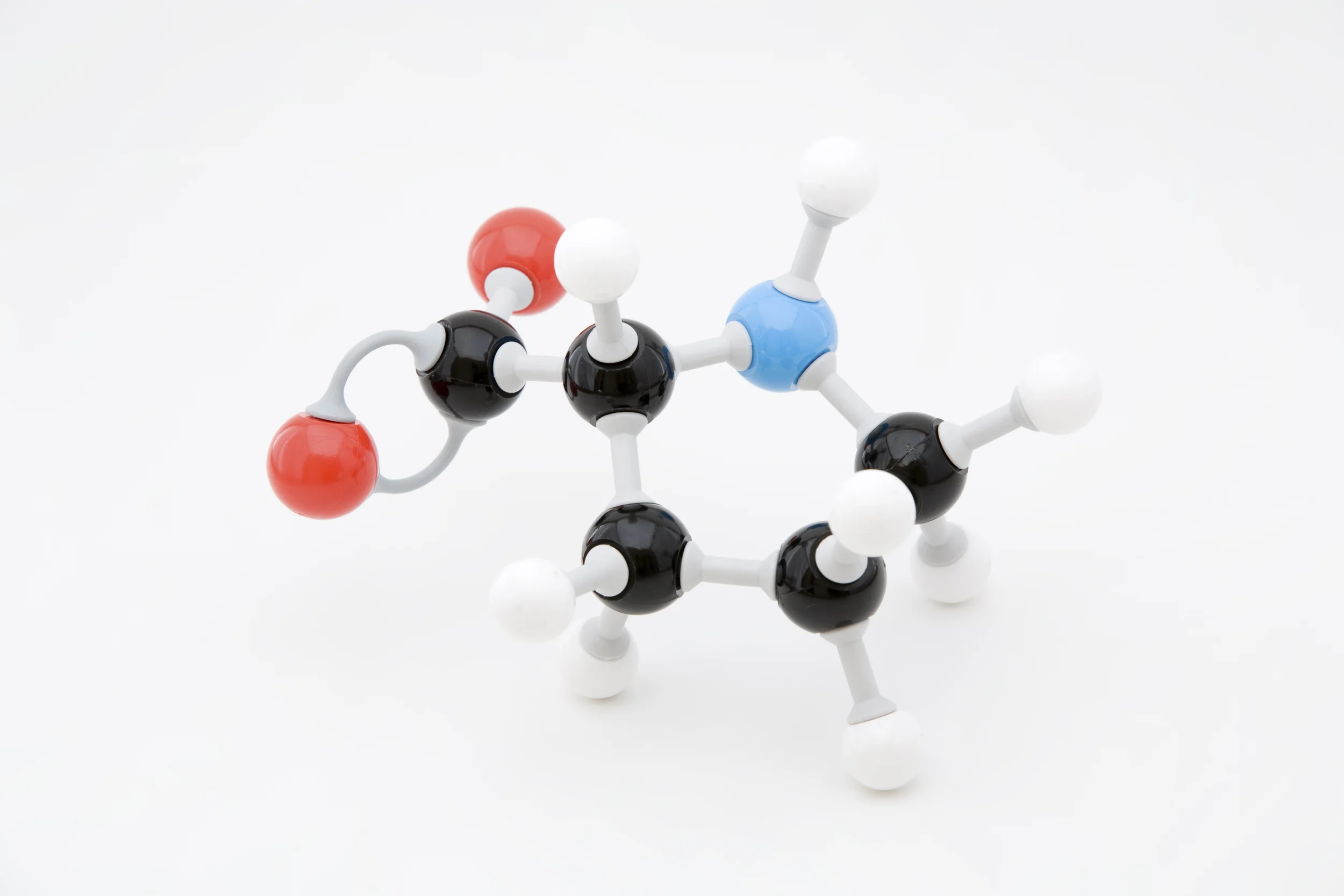
Fig 6. L-serine, now in Phase II trials.
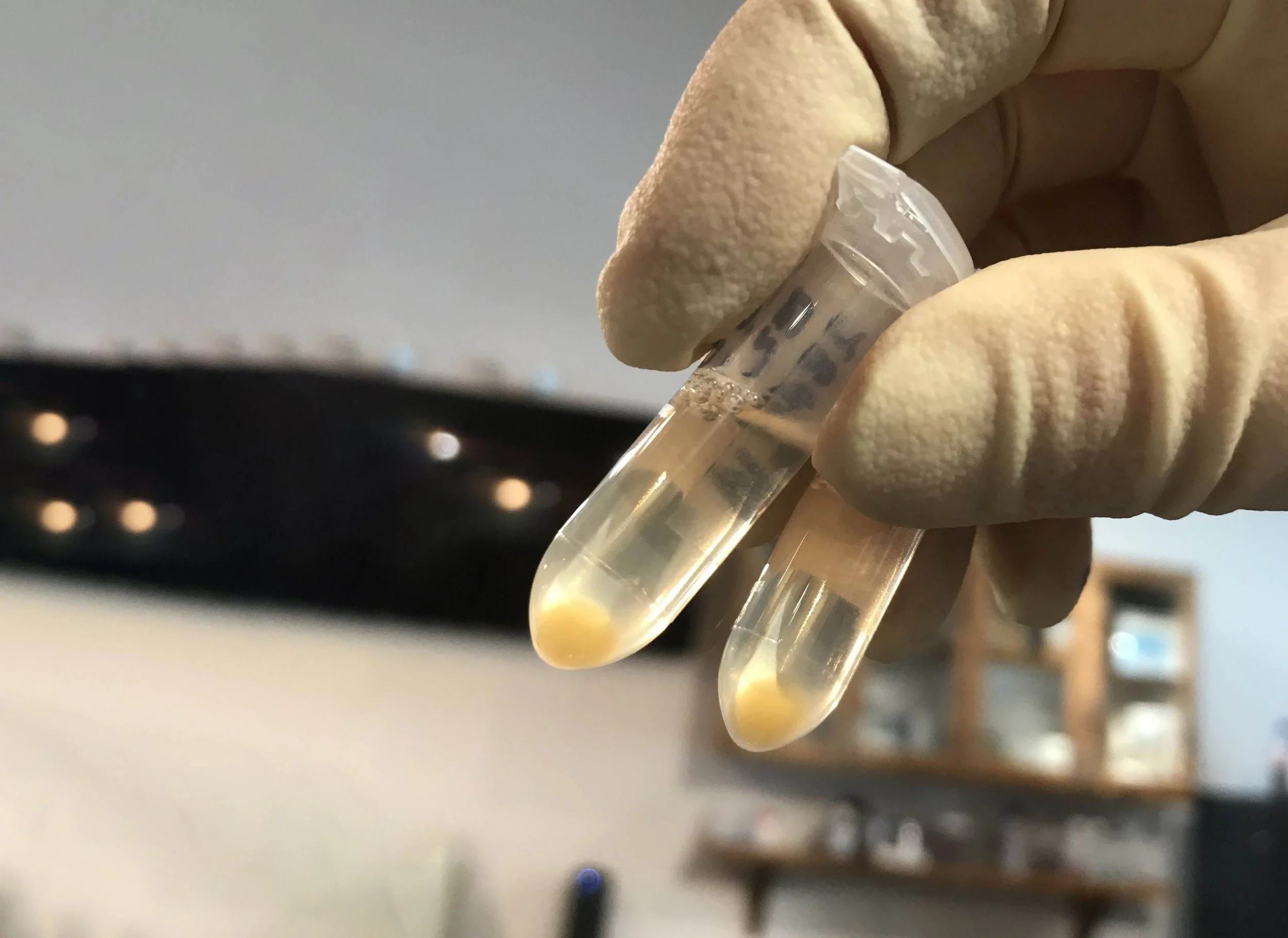
Fig 7. Circulating RNA for the ALS biomarker.
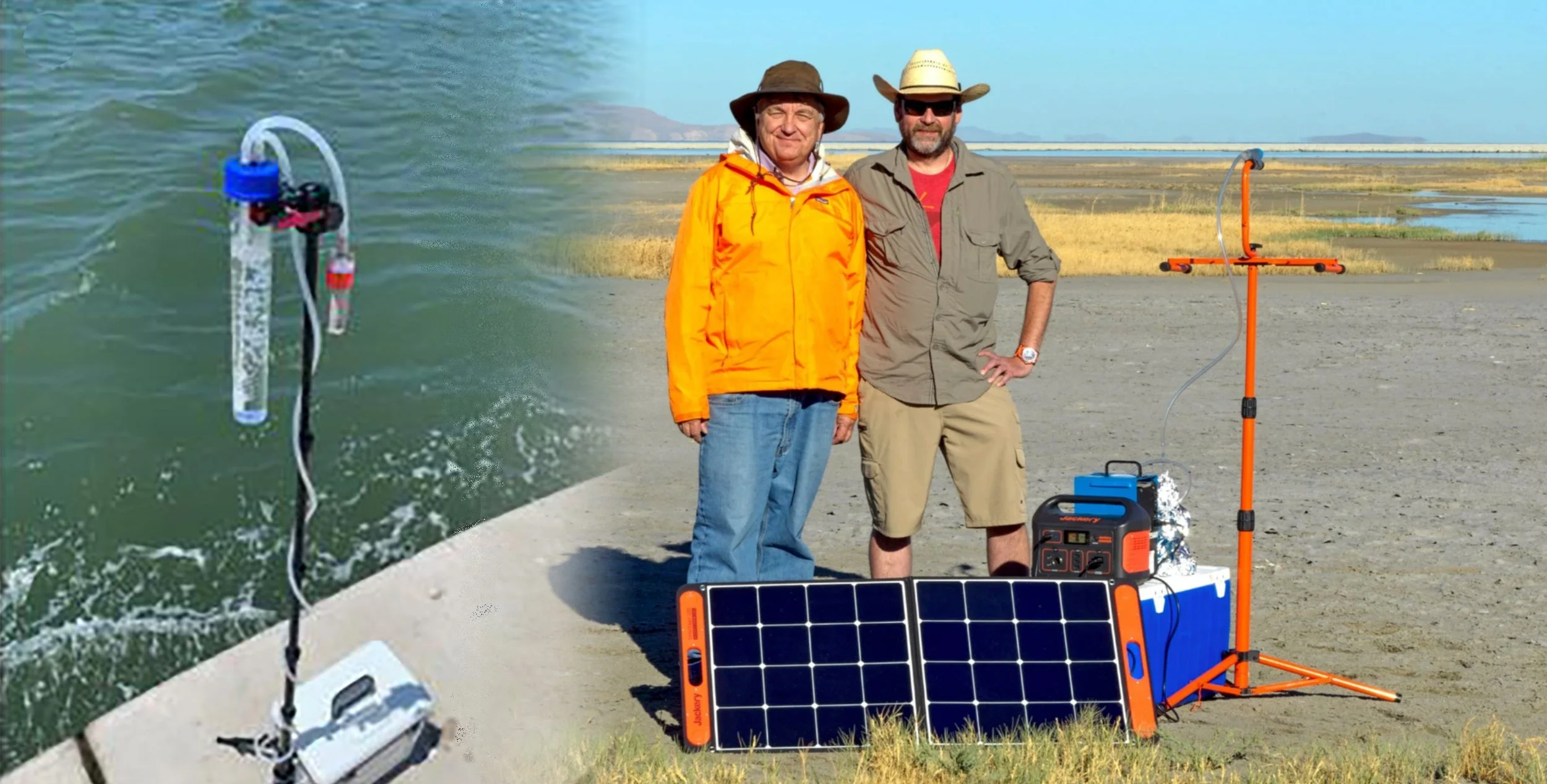
Fig 8. Sampling airborne BMAA.
2023 Not just the water. The air.
The BMAA neurotoxin is found in dust from the Great Salt Lake.
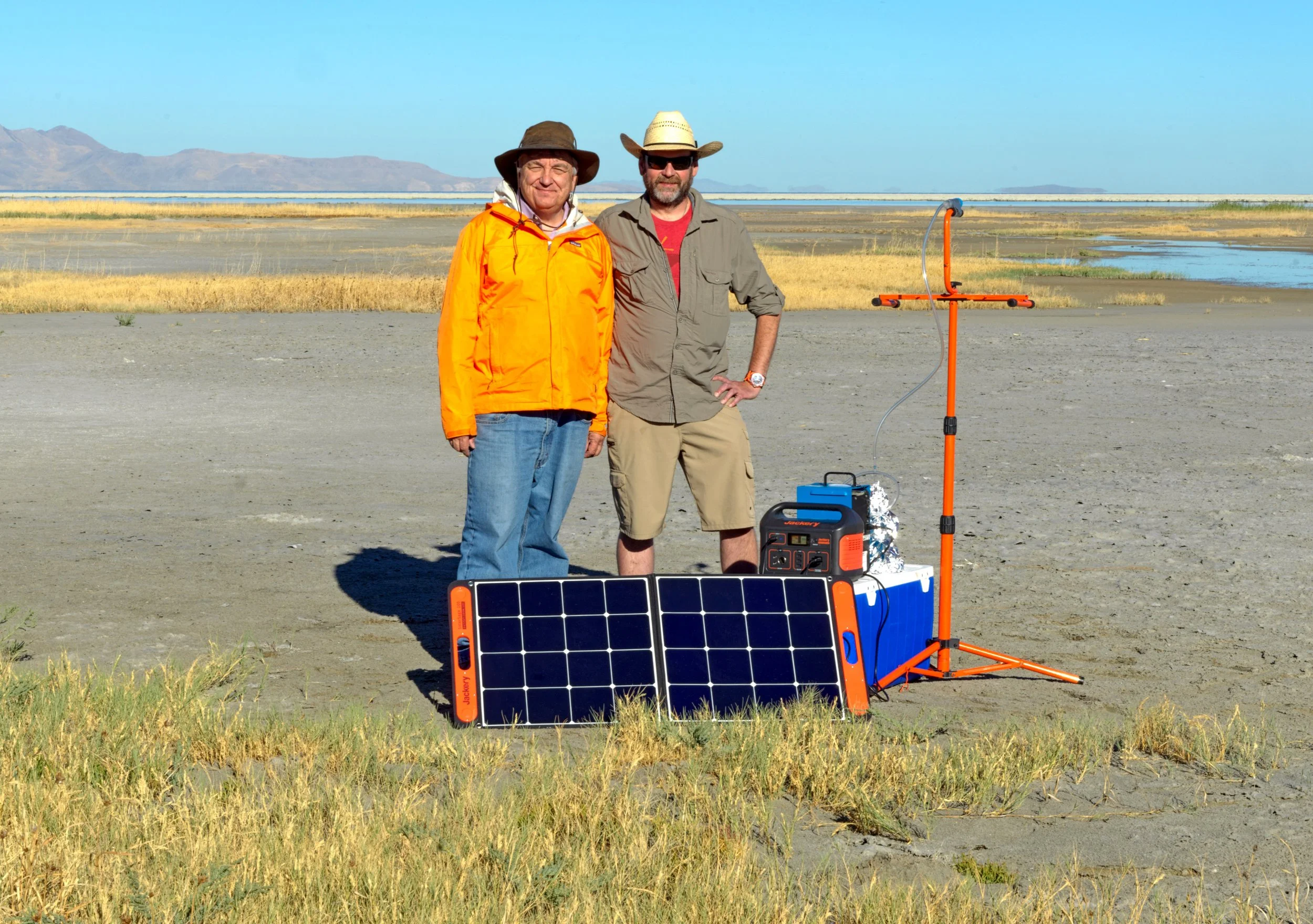
Fig 9. Great Salt Lake, Utah. 2025 Beached dolphins have Alzheimer's.
The cover of Nature Communications Biology, and a CNN documentary filmed inside the Jackson lab.
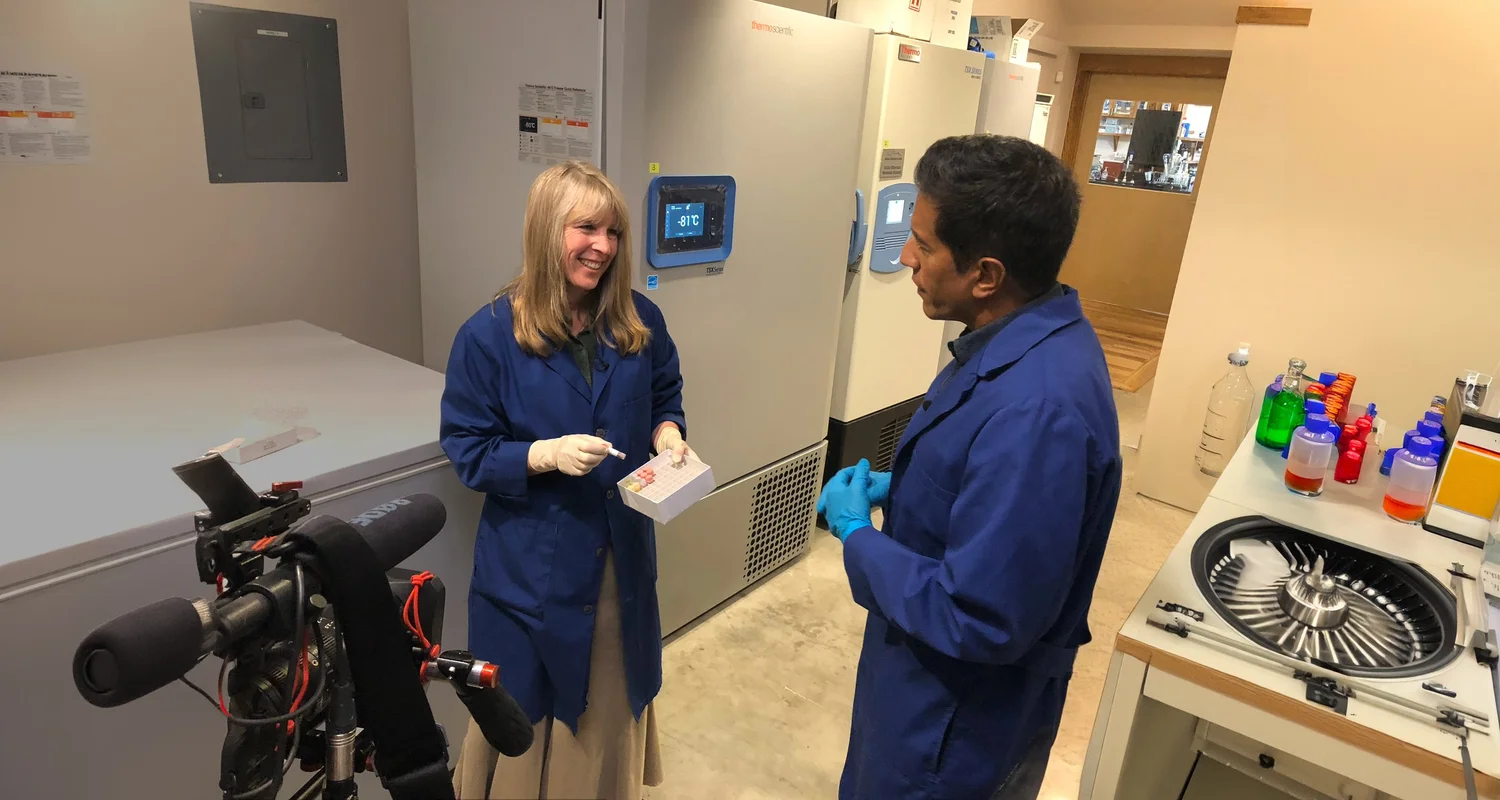
Fig 10. CNN filming in the laboratory. 2026 ALS test.
Our ALS test has been validated as a CLIA/CAP laboratory-developed test.
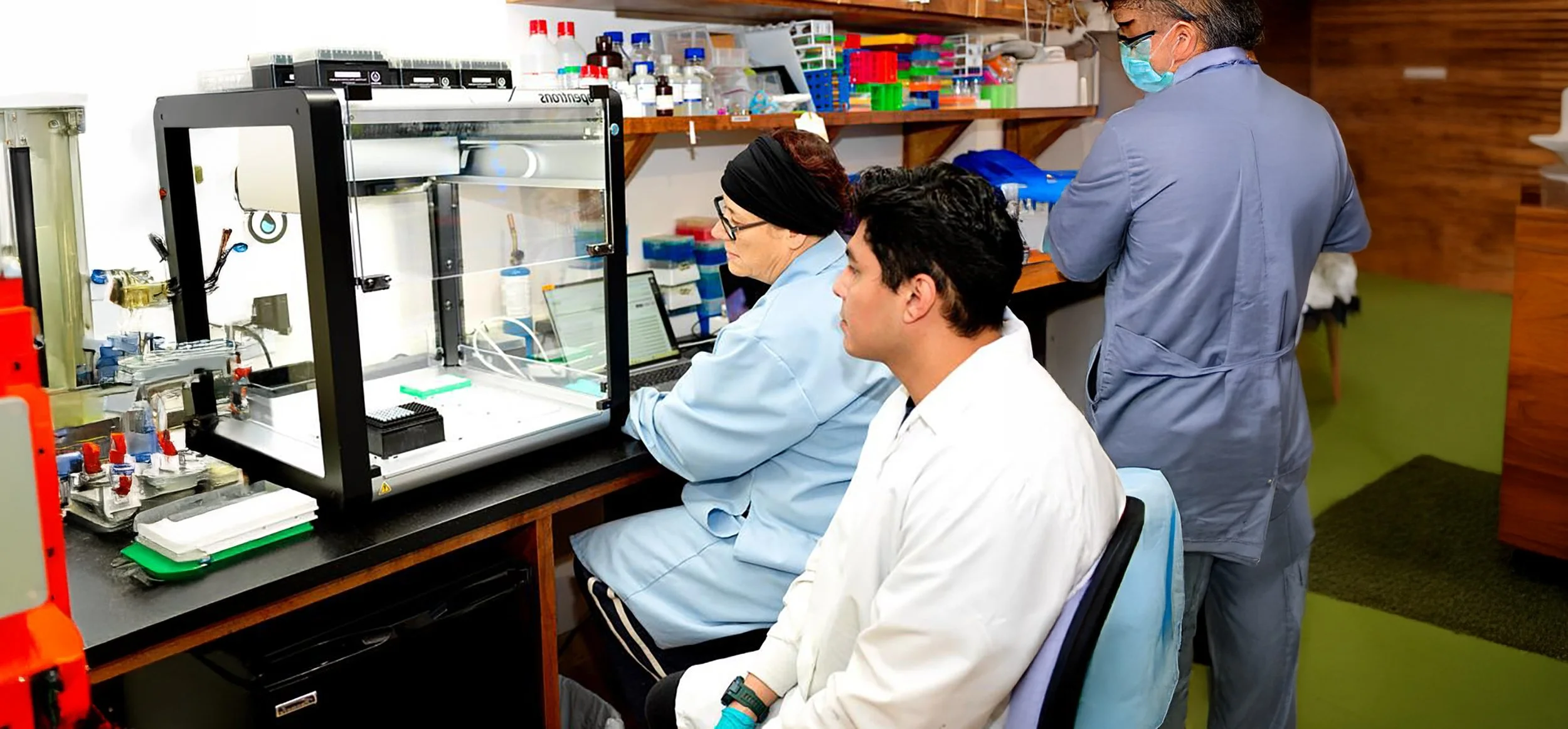
Fig 11. Automated sample handling. Next Fund the next discoveryThe test in clinics. Phase II results. A Parkinson's trial.
Our scientists are constrained by research funding, not capacity.
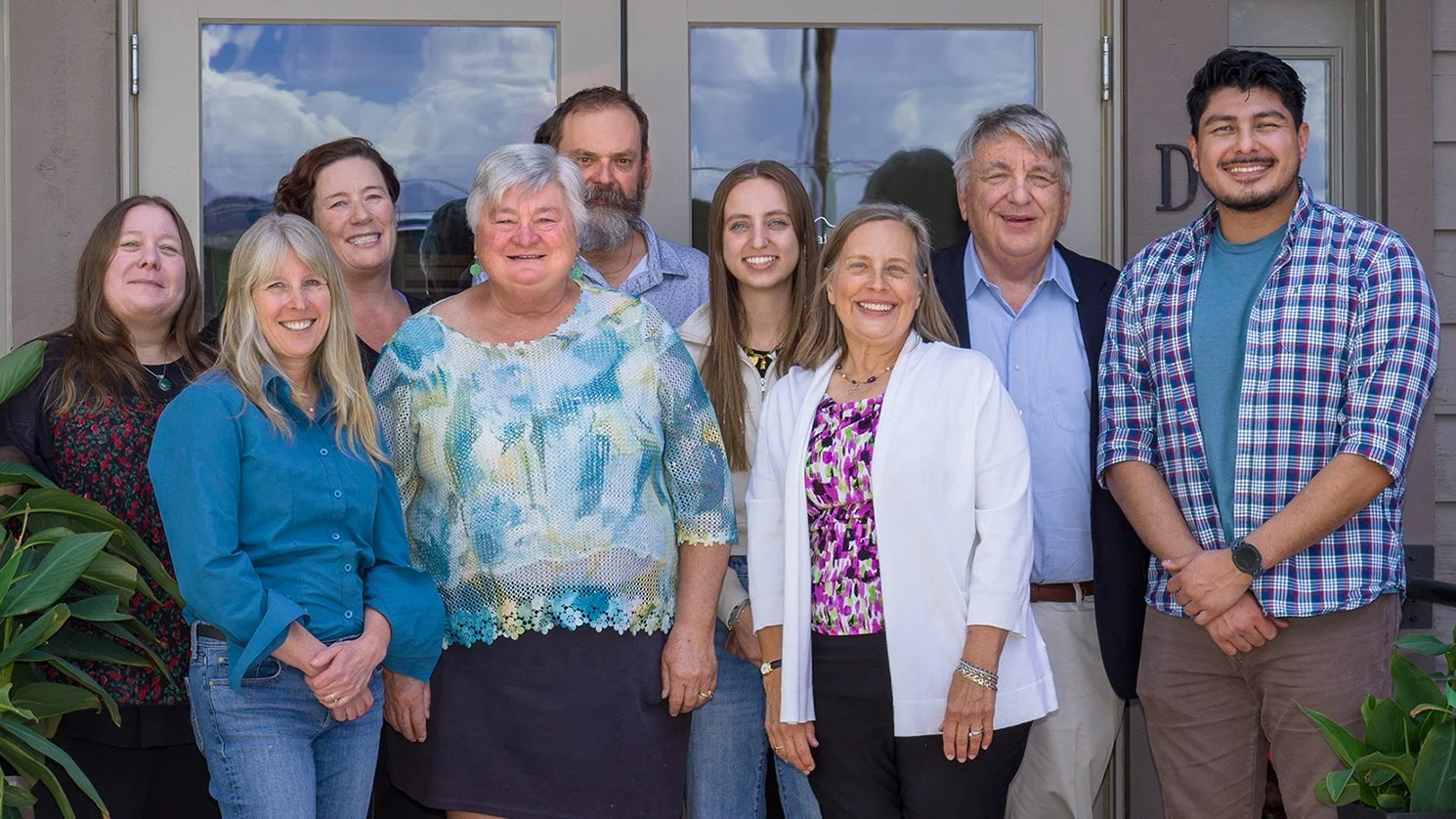
The scientists, staff and board behind the work.
Our scientists are constrained by research funding, not capacity.
As a not-for-profit organization, we care only for patients, not profits.
Our innovative approach is working, but we need your support. Based on our 2025 audit, 81% of all gifts go to medical research.