In 1874, Jean-Martin Charcot described a devastating paralytic illness which we now call ALS.
ALS cuts down people in the prime of their lives.
Only two FDA-approved drugs exist for the treatment of ALS, and neither significantly slow disease progression.
We have focused on the early diagnosis and treatment of ALS.
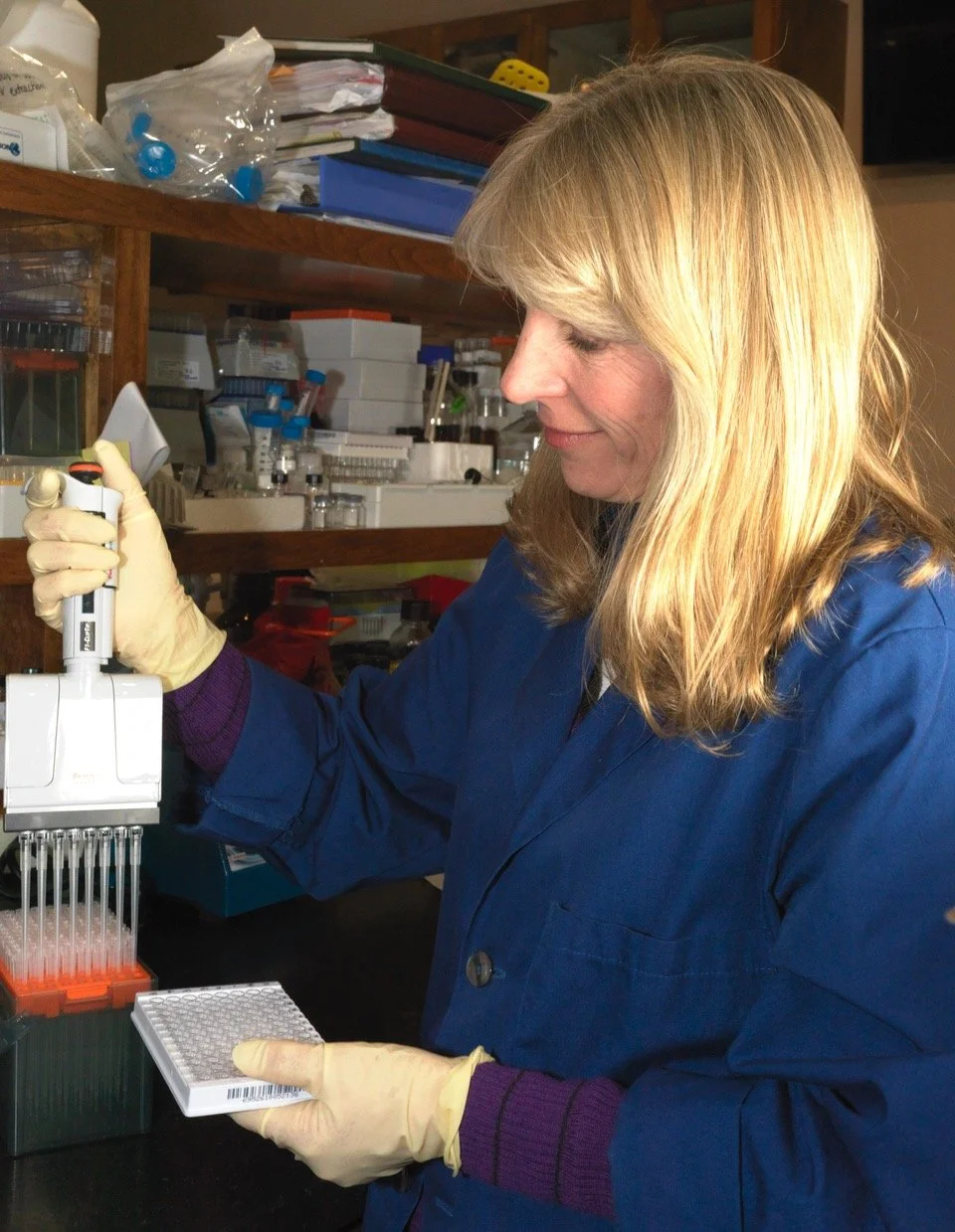
We discovered a molecular fingerprint of ALS, which will allow neurologists to definitively diagnose ALS based on a single blood draw. We extract microRNA from exosomes—microscopic packages of genetic material—in the blood sample. The unique assemblage of microRNA identifies ALS patients.
Currently, many patients have to wait a year or more to receive an ALS diagnosis. This new diagnostic test will allow patients to begin treatment much earlier.
Our advanced clinical trials of the naturally occurring amino acid L-serine are promising.
Hopefully, this combination of a diagnostic and a treatment package will be attractive to a pharmaceutical partner who can conduct the larger clinical trials that will be needed.